
7 Essential Steps on Your Laundry Checklist for Businesses
- Sarah Huber
- Dec 7, 2025
- 9 min read
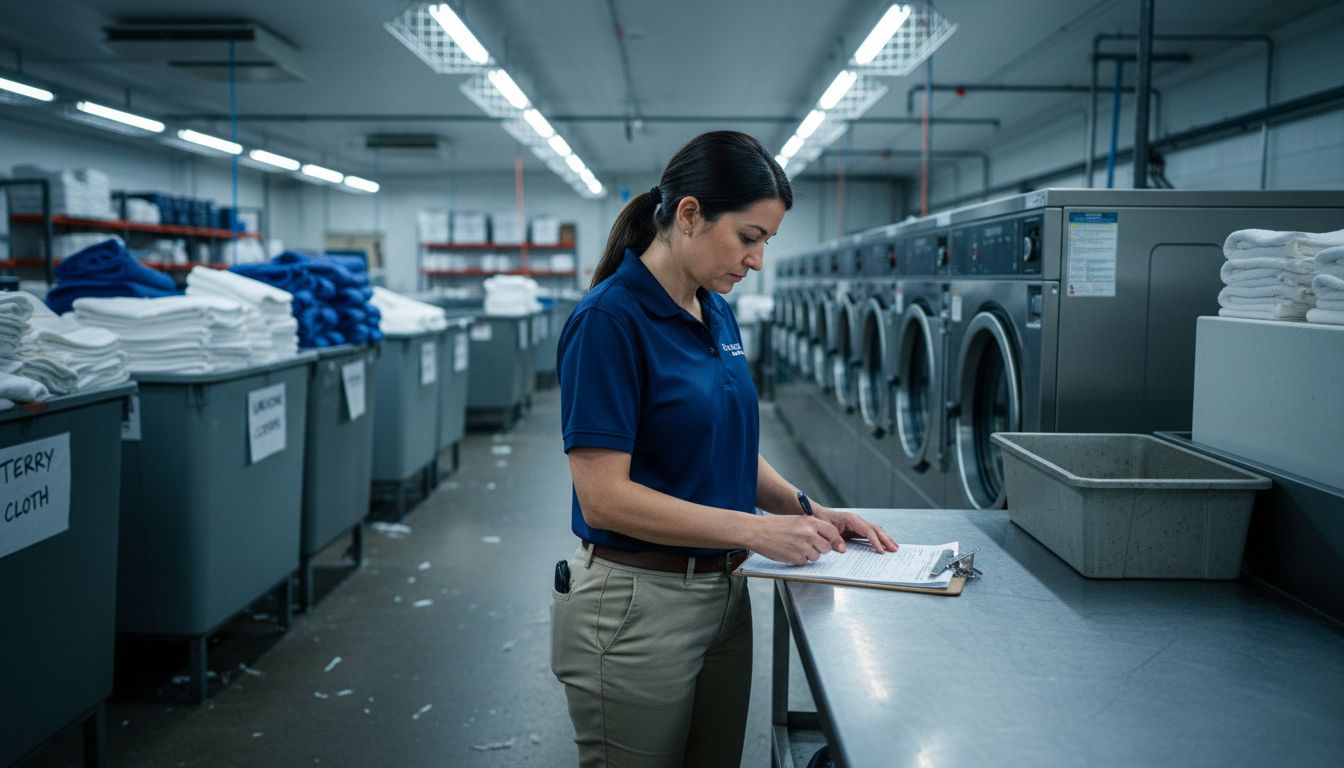
Over 80% of American businesses overlook key steps in managing their commercial laundry, leading to wasted time and extra costs. Whether you run a restaurant, healthcare practice, or hospitality service, your approach to laundry can directly influence operational efficiency and bottom line results. This step by step guide breaks down how American business owners can streamline laundry processes, safeguard quality, and reduce the risk of lost or damaged textiles.
Table of Contents
Quick Summary
Key Message | Explanation |
1. Assess Your Laundry Needs | Understand your laundry volume and specific fabric types to create an effective strategy. Each industry has unique demands, requiring tailored approaches. |
2. Organize and Sort Laundry | Implement systematic sorting by fabric type, soil level, and color to maintain textile quality and extend lifespan. Proper sorting minimizes damage and wear. |
3. Select Appropriate Laundry Supplies | Choose laundry supplies based on fabric composition and soil level for optimal cleaning results. This impacts textile durability and overall appearance. |
4. Implement Effective Labeling | Use clear, waterproof labels for laundry bags to improve identification and organization. Include essential information like fabric type and handling instructions. |
5. Set Up a Reliable Pickup Schedule | Establish a structured pickup and delivery schedule tailored to client needs to enhance operational efficiency and maintain professionalism. |
1. Assess Your Business Laundry Needs
Successfully managing your business laundry begins with a comprehensive assessment of your unique operational requirements. Understanding your specific laundry volume, fabric types, and cleaning standards is critical for developing an efficient and cost effective strategy.
Businesses generate vastly different laundry needs depending on their industry. A medical clinic will have different laundering demands compared to a restaurant or hospitality service. Analyzing your specific laundry requirements involves examining several key factors.
First, calculate your total laundry volume by tracking the number of items processed weekly. Restaurant linens, medical uniforms, spa towels, or event textiles each require unique handling. The Textile Rental Services Association recommends carefully classifying your textile inventory to optimize wash configurations and product mix.
Next, consider the fabric composition and durability of your textiles. Different materials like cotton, polyester, or specialized medical fabrics demand specific washing temperatures, detergents, and drying techniques. Professional sorting can dramatically improve textile longevity and appearance.
For businesses processing large volumes, industrial efficiency becomes paramount. Advanced sorting techniques can help workers process up to 1,000 pounds of laundry per hour, significantly reducing operational time and labor costs. Implementing systematic sorting methods transforms laundry from a mundane task into a streamlined business process.
Finally, document your findings. Create a detailed inventory spreadsheet tracking item types, quantities, fabric compositions, and special care instructions. This systematic approach will help you select the most appropriate commercial laundry service tailored precisely to your business needs.
2. Sort Laundry by Type and Soil Level
Sorting laundry might seem like a simple task, but for businesses, it represents a critical step in maintaining textile quality and operational efficiency. Proper sorting is not just about separating colors it is about preserving the integrity of your valuable business linens and uniforms.
Why Sorting Matters
Effective sorting begins with understanding the fundamental principles of textile care. Specialized fabric management requires meticulous attention to material composition, soil level, and cleaning requirements. The American Cleaning Institute recommends a systematic approach to sorting that goes beyond basic color separation.
Classification Categories
Businesses should establish sorting protocols based on several key factors:
1. Fabric Type
Delicate medical scrubs
Heavy duty kitchen linens
Sturdy industrial uniforms
Event service tablecloths
2. Soil Level
Light soil (minimal staining)
Medium soil (visible dirt or light stains)
Heavy soil (significant staining or ground in dirt)
3. Color Groupings
White textiles
Light colors
Dark colors
Specialized colored uniforms
Professional sorting reduces fabric wear, prevents color bleeding, and ensures each textile receives appropriate treatment. By implementing a structured sorting system, businesses can extend the lifespan of their textiles while maintaining a professional appearance.
Tip: Create a color coded sorting station with clearly labeled bins to streamline your sorting process and minimize errors. Train staff on proper sorting techniques to maintain consistency and quality across all textile processing.
3. Choose the Right Laundry Supplies
Selecting appropriate laundry supplies transforms cleaning from a mundane task into a strategic business operation. Your choice of detergents, softeners, and cleaning agents directly impacts textile longevity, appearance, and overall professional standards.
Key Factors in Supply Selection
Business laundry demands go far beyond home washing practices. Essential laundry service insights reveal that strategic supply selection can dramatically improve textile maintenance and operational efficiency.
The American Cleaning Institute recommends a nuanced approach to selecting laundry supplies based on three critical dimensions:
1. Fabric Composition
Medical textiles require hypoallergenic, sanitizing detergents
Restaurant linens need grease cutting formulations
Delicate event fabrics demand gentle cleaning agents
Industrial uniforms require heavy duty cleaning solutions
2. Soil Level Considerations
Light soil: Mild detergents
Medium soil: Standard cleaning agents
Heavy soil: Specialized stain removal products
Embedded stains: Enzymatic cleaners
3. Specialized Cleaning Requirements
Antimicrobial treatments for medical environments
Color preservation formulas for vibrant uniforms
Eco friendly options for sustainability focused businesses
Fragrance free solutions for sensitive environments
Professional tip: Invest in concentrated commercial grade supplies that offer better cost efficiency and more consistent cleaning performance. Always test new products on a small batch of textiles to ensure compatibility and desired results.
4. Label and Organize Laundry Bags
Effective laundry management starts with strategic organization and precise labeling. Professional businesses understand that systematic bag management is not just about tidiness it is a critical operational efficiency strategy.
Labeling Best Practices
Preparing laundry for efficient pickup and delivery requires meticulous attention to detail. The Textile Rental Services Association emphasizes that proper classification can dramatically improve processing speed and accuracy.
Recommended Labeling Elements
1. Identification Details
Business name
Department or section
Contact information
Unique tracking number
2. Content Specifications
Fabric type
Soil level
Special handling instructions
Washing temperature requirements
3. Color Coding System
White for medical linens
Blue for kitchen textiles
Green for industrial uniforms
Red for heavily soiled items
Professional sorting systems can process up to 1000 pounds of laundry per hour when implemented correctly. Use waterproof labels with clear bold text to ensure durability and readability.
Tip: Invest in a thermal label printer for professional grade consistency and create a standardized labeling protocol that all team members can easily follow and understand.
5. Set Up a Pickup and Delivery Schedule
Timely laundry processing is the heartbeat of professional textile management. A well structured pickup and delivery schedule transforms operational chaos into streamlined efficiency.
Scheduling Fundamentals
Mastering the laundry delivery workflow requires strategic planning and precision. The Textile Rental Services Association emphasizes that coordinated scheduling directly impacts operational productivity.
Scheduling Strategies
1. Frequency Mapping
Daily schedules for high volume businesses
Weekly routes for consistent clients
Bi weekly options for lower demand services
Customized intervals based on specific business needs
2. Time Window Considerations
Early morning pickups
Midday collection windows
Evening delivery slots
Weekend service options
3. Route Optimization
Geographic clustering
Minimal transit times
Fuel efficiency
Predictable service windows
Professional tip: Implement a digital scheduling system that allows real time adjustments and provides clients with precise pickup and delivery tracking. Aim for a 94% on time delivery ratio to maintain professional credibility.
Remember that flexibility is key. Your scheduling approach should adapt to client needs while maintaining operational efficiency.
6. Establish Quality Control Processes
Quality control transforms laundry operations from basic cleaning to a precision driven service. Systematic verification ensures every textile meets professional standards before returning to the client.
Quality Assurance Framework
Implementing consistent commercial laundry standards requires meticulous attention to detail. The Textile Rental Services Association emphasizes comprehensive quality control as the backbone of professional textile management.
Essential Quality Control Checkpoints
1. Pre Cleaning Inspection
Assess fabric condition
Identify potential damage
Document textile wear
Check for existing stains
2. Cleaning Process Monitoring
Verify correct water temperature
Confirm appropriate detergent usage
Track machine performance
Ensure proper chemical ratios
3. Post Cleaning Evaluation
Inspect for stain removal effectiveness
Check textile color preservation
Verify fabric integrity
Confirm proper finishing
Critical Components
Create standardized evaluation checklists
Train staff on precise assessment protocols
Implement digital tracking systems
Establish clear rejection criteria
Professional tip: Develop a continuous improvement model where each quality control assessment provides insights for refining your operational processes. Aim for consistent excellence that exceeds client expectations.
7. Track and Manage Damaged or Lost Items
Item tracking represents the financial backbone of professional laundry services. Implementing a robust system for monitoring textile inventory protects your business from unexpected financial losses and maintains client trust.
Inventory Management Principles
Mastering commercial laundry service workflows requires sophisticated tracking mechanisms. The Textile Rental Services Association recommends comprehensive documentation to minimize potential revenue risks.
Tracking Methodology
1. Digital Documentation
Unique item identification codes
Photographic condition records
Timestamp tracking
Detailed damage assessment logs
2. Damage Classification
Minor wear
Moderate damage
Significant textile degradation
Total item loss
3. Financial Accountability
Establish replacement cost standards
Create clear client communication protocols
Develop transparent reimbursement processes
Implement proactive damage prevention strategies
Loss Prevention Strategies
Regular equipment maintenance
Staff training on textile handling
Advanced sorting technologies
Continuous process improvement
Professional tip: Develop a digital tracking system that provides real time updates and generates comprehensive reports. Aim to maintain less than 2% item loss rate to demonstrate operational excellence.
This table summarizes the key strategies and considerations for managing business laundry operations effectively, from assessment to quality control.
Step/Strategy | Key Actions & Considerations | Benefits/Outcomes |
Assess Business Laundry Needs | Determine laundry volume, fabric types, and cleaning standards; Document findings. | Develops a tailored, cost-effective strategy. |
Sort Laundry by Type and Soil Level | Establish sorting protocols by fabric type, soil level, and color groupings. | Improves textile quality, reduces wear, and prevents color bleeding. |
Choose the Right Laundry Supplies | Select detergents based on fabric composition, soil level, and special cleaning needs. | Enhances textile longevity and appearance; Improves efficiency. |
Label and Organize Laundry Bags | Use identification details and color coding; Invest in durable labels; Create a standardized system. | Boosts processing speed and accuracy; Maintains organization. |
Set Up a Pickup and Delivery Schedule | Design schedules based on volume and client needs; Optimize routes for efficiency. | Ensures timely processing and enhances operational productivity. |
Establish Quality Control Processes | Implement checkpoints for inspection and evaluation; Train staff; Use checklists. | Guarantees consistent service quality; Meets professional standards. |
Track and Manage Damaged/Lost Items | Use digital tracking; Classify damage; Set financial accountability. | Minimizes financial loss; Maintains client trust and operational excellence. |
Simplify Your Business Laundry with Expert Door-to-Door Service
Managing business laundry means facing challenges like sorting by fabric and soil level, selecting the right supplies, and ensuring timely pickup and delivery. The article’s focus on creating an efficient, quality-controlled laundry process highlights common pain points such as textile longevity, operational scheduling, and damage tracking. At GoGet My Laundry, we transform these challenges into streamlined solutions tailored for businesses across metro Phoenix.
Our commercial laundry service offers advanced care including medical-grade detergents and hypoallergenic softeners plus superior technology with commercial extractor washers that reduce wear and drying time. You gain flexible scheduling, custom order platforms, and damaged linen tracking to protect your inventory. For an industry-specific tailored approach, explore how we support uniform services, hospitality services, and more.

Ready to elevate your laundry process to professional standards? Visit GoGet My Laundry today to schedule your pickup. Experience hassle-free, door-to-door laundry with a 24-hour turnaround and on-demand flexibility built to fit your business needs.
Frequently Asked Questions
What are the first steps to assess my business laundry needs?
To assess your business laundry needs, start by calculating your total laundry volume and identifying the types of fabrics you handle. Track the number of items processed weekly and create a detailed inventory spreadsheet that includes fabric composition and special care instructions.
How can I effectively sort my business laundry by type and soil level?
To sort your business laundry effectively, categorize items by fabric type, soil level, and color groupings. Establish a color-coded sorting system and train your staff to maintain consistency in sorting practices, which will help preserve the integrity of your textiles.
What factors should I consider when choosing laundry supplies for my business?
When selecting laundry supplies, consider the fabric composition, soil level, and any specialized cleaning requirements. Choose products that match the specific needs of your textiles, such as hypoallergenic detergents for medical fabrics or grease-cutting formulas for restaurant linens.
How should I label and organize my laundry bags for efficient processing?
Label your laundry bags with an identification detail that includes your business name, department, and contact information, as well as content specifications like fabric type and soil level. Use a waterproof labeling system and implement a standardized protocol to keep your laundry organized and easily identifiable.
What are the key components of establishing a quality control process in laundry management?
Key components of a quality control process include conducting pre-cleaning inspections, monitoring the cleaning process, and performing post-cleaning evaluations. Develop standardized checklists for staff to ensure that all textiles meet professional standards before returning them to clients.
How can I effectively track and manage damaged or lost laundry items?
Implement a digital documentation system to track items with unique identification codes and photographic records of their condition. Establish clear protocols for classifying damage, communicating with clients, and accounting for replacement costs to minimize financial losses.
Recommended
Comments